
 Millennium Centre:


A dental implant is designed to act like a natural tooth root. It supports a crown and helps replace missing teeth in a stable way. When healing goes well, an implant can support long-term oral health and restore confidence in your smile.
However, understanding dental implant infection signs is important. Infection does not usually appear suddenly. It often develops gradually around a dental implant, starting with subtle changes before becoming more serious.
This guide explains how a dental implant infection develops over time, what early signs look like, how the severity of the infection affects stability, and what helps prevent infection.
What Happens After Implant Placement
After implant placement, the body begins a healing process. The bone gradually integrates with the implant surface. Healthy gum tissue seals around the implant site, protecting the deeper structures.
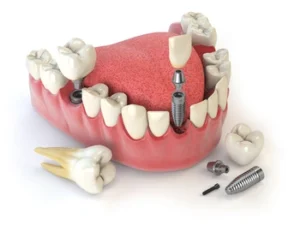 This stage relies on good blood flow and the body’s ability to repair tissue. Proper care during healing supports good oral health and lowers the risk of infection.
Some mild swelling or tenderness around the implant site can be normal in the early days. However, symptoms that worsen rather than improve may indicate early signs of a problem.
The goal during this stage is simple: protect the implant and allow the surrounding tissues to stabilise.
How Early Infection Begins
A dental implant infection usually starts in the soft tissue. Bacterial infections develop when plaque builds up around the dental implant.
Poor oral hygiene is one of the most common risk factors. Without proper oral hygiene, bacteria accumulate around the implant site and irritate the gum tissue.
This early stage is known as peri-implant mucositis. It involves inflammation limited to the soft tissue around the implant. At this point, the bone is not yet affected.
Common early signs include:
- Gum irritation
- Implant bleeding when brushing
- Swelling of the surrounding tissues
- An unpleasant taste in the mouth
- Mild tenderness around the implant
Early detection at this stage is important. With professional cleanings and improved oral hygiene, it is often possible to treat infection before more serious damage occurs.
When Infection Progresses To Bone
If inflammation is left untreated, bacteria can spread deeper. This stage is called peri-implantitis.
Peri-implantitis involves bone loss around the implant. As the supporting bone weakens, the risk of implant failure increases.
 Patients may notice:
- Persistent pain
- Movement of the implant
- Receding gum tissue
- Signs of infection, such as discharge
- Changes in bite stability
In severe cases, significant bone loss can be seen on X-rays. Lost bone structure reduces support for the implant and may lead to an infected dental implant that feels loose.
The severity of the infection determines how complex treatment becomes. Early intervention greatly improves the chance of saving the implant.
Why Some People Are At Higher Risk
Not everyone has the same risk of infection. Several health conditions and lifestyle factors can impair healing and increase vulnerability.
Poor Oral Hygiene And Gum Disease
Existing gum disease raises the risk of infection around a dental implant. Ongoing inflammation around the implant makes it easier for bacteria to invade deeper tissues.
Good oral hygiene habits are essential to prevent infection and protect the implant.
Health Conditions
Uncontrolled diabetes can impair healing and reduce blood flow to the gums. Reduced circulation affects the body’s ability to fight infection.
A weakened immune system also increases risk. These health conditions reduce the body’s response to bacterial infections.
Smoking And Blood Flow
Smoking limits blood flow to the gum tissue and surrounding tissues. This can impair healing after implant placement and raise the risk of infection.
Poor Implant Placement
Poor implant placement or inadequate planning can affect how well the implant integrates. In some cases, poor implant placement may contribute to long-term complications.
How Infection Affects Implant Stability
A dental implant depends on healthy bone and stable soft tissue. When bone loss develops, the implant loses its foundation.
If left untreated, implant infection may result in:
- Further complications in the surrounding tissues.
- Progressive loss of bone structure.
- Implant failure.
- Need for implant removal.
Once stability is compromised, managing infection becomes more complex. In severe cases, implant removal may be required to protect overall oral health.
After removal, bone grafting may be needed before replacing missing teeth again.
How Infection Is Diagnosed
Regular dental visits and regular dental check-ups play a major role in early detection.
A dentist will assess:
- Implant bleeding
- Pocket depth around the implant
- Condition of gum tissue
- Signs of bone loss on imaging
Early detection allows simpler treatment, often without the need for a surgical procedure.
Monitoring around the implant site over time helps identify small changes before they progress.
What Happens To The Jawbone After Implant Removal
When an implant is removed, the change is not limited to the surface of the gums. The jawbone itself responds to the loss of stimulation. Understanding how bone behaves after removal helps explain why timing and follow-up planning matter.
Immediate Changes After Removal
Once the implant is removed, the gum tissue and bone begin another healing process. Blood flow supports clot formation and tissue repair. However, if the infection was left untreated, the severity of the infection may mean less healthy bone remains at the implant site.
Without an implant or natural tooth root providing stimulation, the jawbone may gradually remodel. Some shrinkage can occur over time, particularly if bone loss was already present.
When Bone Grafting Is Needed
If infection around the implant has led to significant bone loss, bone grafting may be considered. This surgical procedure helps rebuild lost bone structure and create a stable base for future treatment.
Not every case requires grafting. The decision depends on how much bone remains and whether replacing missing teeth again is planned.
Long-Term Considerations
The jaw supports both implants and natural teeth. Reduced bone volume can influence neighbouring structures, so careful monitoring during regular dental visits is important.
Even after implant removal, future restoration may still be possible. With proper care, planning, and consistent oral hygiene, the area can often be prepared safely for the next stage of treatment.
Treatment Based On Severity
Treatment depends on how far the infection has advanced.
Early Stage Management
When infection is limited to the gum tissue around the implant, professional cleaning can remove plaque and bacteria from the area.
Improved oral hygiene at home is essential. Antibiotic therapy may be considered in some cases to control bacterial infections.
Managing infection early helps preserve bone and protect stability.
Advanced Infection Treatment
When the infection has spread deeper and affected the bone around the implant, more involved treatment may be needed.
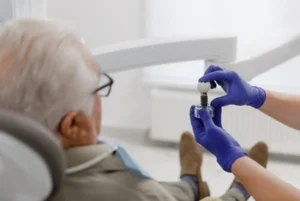 This may include:
- Lifting the gum tissue to clean the implant surface
- Removing infected tissue around the implant
- Rebuilding lost bone with a bone graft
In severe cases, if the implant cannot be stabilised, it may need to be removed.
The exact treatment depends on how advanced the infection is and how much supporting bone remains.
Final Thoughts
Dental implant infection signs rarely appear all at once. They usually begin with small changes in the gum tissue before affecting the supporting bone. As outlined in this guide, early recognition, professional monitoring, and consistent oral hygiene make a significant difference in protecting long-term stability.
Most concerns can be managed more simply when addressed early. Regular check-ups allow small issues to be identified before they progress, helping maintain healthy bone and surrounding tissues over time. With the right care, dental implants can continue to function reliably and support everyday comfort.
If you have noticed changes around an implant or would like reassurance about healing and long-term stability, you can arrange a consultation with us at Carindale Family Dentist or call (07) 3324 9172 or 0433 501 450 to have the area assessed and monitored carefully.
Note: Any surgical or invasive procedure carries risks. Before proceeding, you should seek a second opinion from an appropriately qualified health practitioner.
Resources
“Cleveland Clinic (2024). ‘Dental Bone Graft’. Cleveland Clinic, 8 June. Cleveland, OH: Cleveland Clinic. https://my.clevelandclinic.org/health/treatments/21727-dental-bone-graft”
“Mayo Clinic Staff (2023). ‘Periodontitis’. Mayo Clinic, 24 February. Rochester, MN: Mayo Foundation for Medical Education and Research. https://www.mayoclinic.org/diseases-conditions/periodontitis/symptoms-causes/syc-20354473”
“Colgate (n.d.). ‘What Is a Dental Implant?’. Colgate Oral Care Center. New York, NY: Colgate-Palmolive Company. https://www.colgate.com/en-us/oral-health/implants/what-are-dental-implants”