
 Millennium Centre:


Root canal treatments are often life-saving for your tooth. They aim to remove infection, ease pain, and preserve the tooth’s function. However, it can be concerning when you experience a sore tooth after root canal treatment. Let’s break it down in simple terms, so you know what’s normal, what isn’t, and when to call your dentist.
Why Would a Tooth Still Feel Sore After a Root Canal?
A root canal procedure, also called endodontic treatment, involves cleaning out the canals inside the tooth’s root. The dentist removes infected dental pulp, nerves, blood vessels, and bacteria, then fills the space with a material like gutta-percha. This helps prevent reinfection and restores function.
Even though most root canals are successful, it is normal to feel some tenderness or discomfort in the treated area for a few days after the dental procedure. The soft tissue around the affected tooth might still be inflamed from the infection or the treatment itself.
Common reasons for lingering tooth pain include:
- Inflammation of surrounding soft tissue after the procedure
- A slightly high filling that affects your bite
- Minor irritation at the root tip
- Healing of the bone around the treated root
How Long Should the Soreness Last?
After root canal therapy, some mild pain or discomfort when chewing or touching the treated tooth can be expected. This usually settles within a few days to a week.
You might notice sensitivity to hot or cold, especially if other teeth were affected by the dental procedure. The body’s immune system works to eliminate any remaining harmful bacteria, allowing the tissue around the tooth to heal gradually.
If the pain persists beyond 7 to 10 days or if you experience severe pain that gets worse over time, it is a good idea to check in with your dentist.
What Are the Warning Signs of a Problem?
While most people heal without any issues after a root canal, there are times when the soreness signals something more serious. Keep an eye out for these common signs of a root canal infection or failed root canal:
- Severe pain that doesn’t improve or gets worse
- Swelling in the gum or face near the treated area
- A persistent bad taste or smell
- Oozing pus around the tooth’s crown
- A bump or pimple on the gum near the treated tooth
- Fever or feeling generally unwell
These symptoms could mean that the infected root canal has not fully healed, or the canal system of the tooth may have hidden, untreated canals. Occasionally, a tooth may become re-infected, requiring further treatment.
Could There Be an Issue with the Final Restoration?
Another factor that can cause soreness is the permanent restoration that follows a root canal. After the root canal procedure, most dentists will recommend a permanent crown or filling to protect the tooth and restore its function.
If the permanent crown or filling is too high, it can place extra pressure on the treated tooth when you bite down. This can make the tooth and surrounding tissues sore.
Why Getting Your Final Restoration on Time Matters
One of the biggest reasons for discomfort after a root canal is delaying the final restoration. After your root canal therapy, a temporary filling is placed to seal the tooth and protect it until a permanent crown or filling can be added.
If too much time passes before the final restoration, bad bacteria can seep back into the tooth, potentially causing an infected root canal or a failed root canal. The connective tissue and soft tissue around the root can also become inflamed again, leading to discomfort or pain.
To give your tooth the best chance of long‑term success, it is vital to follow through with the final restoration. The tooth’s crown provides strength and protection, making it much harder for cracks or reinfection to occur.
How Can You Manage Soreness After Root Canal Treatment?
Here are simple, dentist-approved tips to ease discomfort:
- Use an ice pack on the cheek for 10 to 15 minutes at a time, especially during the first 24 hours
- Avoid chewing on the side of the mouth with the treated tooth until your dentist advises it is safe
- Stick to a soft diet for a few days. Avoid hard foods that could stress the tooth
- Take over-the-counter pain relief medications as recommended by your dentist
- Keep the area clean, brushing gently around the tooth’s crown and gum line
If you experience pain that is increasing rather than improving, or if you have swelling, contact your dentist promptly.
When Does a Root Canal Fail, and What Can Be Done?
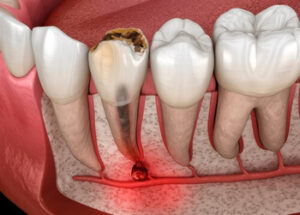 A root canal may fail if:
- The tooth has complex anatomy, and part of the canal system was missed
- Cracks in the tooth or tooth’s root let bacteria back in
- The filling material did not seal the canals properly
- The permanent restoration was not placed in time
If a failed root canal or root canal infection is diagnosed, treatment options include:
- Endodontic retreatment (redoing the root canal)
- Apicoectomy (a minor surgery to remove the tip of the root and seal it)
- Extraction, followed by a dental implant or bridge to replace the tooth
What Can You Do to Prevent Issues After Root Canal Therapy?
To support healing and protect your oral health:
- Attend all follow-up appointments
- Let your dentist know if you experience pain that seems unusual
- Get the permanent crown or filling placed as soon as advised
- Avoid putting unnecessary stress on the treated tooth while it heals
- Maintain good hygiene to protect the other teeth
The Role of X-rays in Follow-up Care
Your dentist may take an X-ray after the root canal therapy to check that the filling material has sealed the canals well and that healing is progressing. Over time, follow-up X-rays help ensure no signs of infection are developing.
Root Canal Treatments: A Proven Solution You Can Trust
It is important to remember that most root canals are highly successful, with a success rate above 90 percent. When done well, a root canal treatment allows you to keep your natural tooth for many years, often for life, provided you maintain good care.
Mild soreness is part of the healing journey. However, if you notice warning signs like swelling, pus, or severe pain, do not wait. Your dentist is there to help ensure your smile stays healthy.
Understanding the Anatomy of a Root Canal
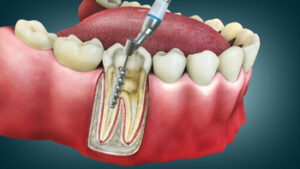 A root canal is a tiny, intricate space within a tooth that contains vital dental pulp, blood vessels, and nerves. During a root canal, your dentist cleans out the canals inside the tooth’s root and removes the infected or inflamed tissue.
Each tooth can have one or more root canals, making the canal system complex and sometimes challenging to treat. The goal is to remove all the infected tissue and fill the space with a special material called gutta-percha.
Although the tooth is no longer vital after the procedure, it can continue to function normally thanks to a strong restoration and ongoing care.
Looking After Your Tooth After a Root Canal: Tips You Need to Know
Your tooth may have been saved by root canal therapy, but it still needs regular attention and care. Here are some simple tips to help protect your treated tooth and support your overall oral health:
- Gently brush your teeth twice a day using a soft‑bristled toothbrush.
- Floss every day to remove plaque and food debris between teeth.
- Avoid chewing hard foods, especially on the treated tooth, until the final restoration is placed.
- Visit your dentist for routine check‑ups and X‑rays.
- Stay alert for any discomfort or warning signs like swelling, sensitivity, or changes in bite.
By looking after your treated tooth, you can prevent reinfection and keep it strong and functional for many years.
Will You Ever Need Another Root Canal?
While most root canals have a high success rate, it is still possible that a tooth may require retreatment. Sometimes, this occurs when the initial root canal fails to fully remove an infection deep within the root canal system or when a new crack allows bacteria to enter.
 Additional treatments may be needed if you notice:
- New discomfort or swelling long after the root canal therapy
- Changes in the colour of the tooth
- A pimple or bump on the gum adjacent to the treated area
- Sensitivity when biting down
- Discharge or a lingering bad taste in your mouth
Your dentist can assess the area and recommend further treatments, such as retreatment of the root canal or an apicoectomy if needed.
The Role of the Immune System in Healing
Your body’s immune system plays an important role in recovery after a root canal. Even after the dental pulp and infected tissue have been removed, it takes time for the surrounding bone and connective tissue to heal completely.
A strong immune system can aid in controlling any lingering tooth infection and repairing bone and tissue. Maintaining a balanced diet rich in vitamins and minerals, getting enough rest, and practising excellent oral hygiene can all support recovery and overall oral health.
Final Thoughts: Listen to Your Tooth
A sore tooth after a root canal is normal. However, if the discomfort lingers or worsens, this may point to a root canal infection or another issue that needs prompt attention. Seeking help early makes treatment easier and helps protect your long-term oral health with the support of a trusted dental team servicing Holland Park.
If you have had a root canal and your tooth may be giving you trouble, don’t hesitate to get in touch with Carindale Family Dentist at (07) 3324 9172. Your smile deserves the best care.
Note: Any surgical or invasive procedure carries risks. Before proceeding, you should seek a second opinion from an appropriately qualified health practitioner.
References
MedlinePlus. (n.d.). Over-the-counter pain relievers. Retrieved from https://medlineplus.gov/ency/article/002123.htm
ScienceDirect. (n.d.). Postoperative pain following root canal treatments. Retrieved from https://www.sciencedirect.com/science/article/pii/S1013905223002778
American Association of Endodontists. (n.d.). Endodontic retreatment explained. Retrieved from https://www.aae.org/patients/root-canal-treatment/endodontic-treatment-options/endodontic-retreatment/endodontic-retreatment-explained/
NHS. (n.d.). Root canal treatment. Retrieved from https://www.nhs.uk/tests-and-treatments/root-canal-treatment/