
 Millennium Centre: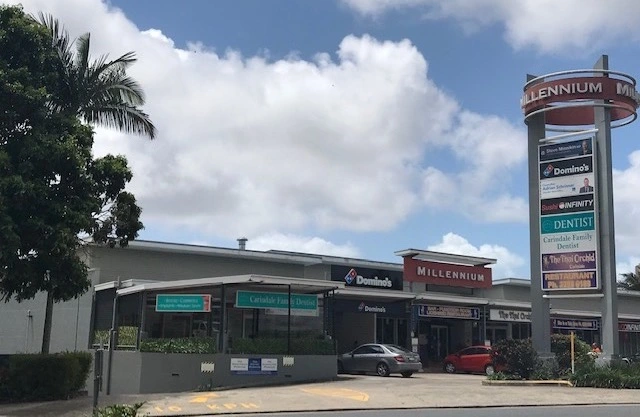


Losing several or all of your natural teeth can influence how you eat, speak, and feel on a daily basis. Dental implants are one approach used to replace missing teeth by supporting replacement teeth within the jaw. A full arch implant is one option that may help restore a complete set of functional teeth when there are many missing teeth in the upper or lower jaw.
This guide explains what full arch dental implants involve, how the process works, and what to expect before, during, and after treatment. It is written to help you understand your options clearly and make an informed decision.
What Is A Full Arch Implant?
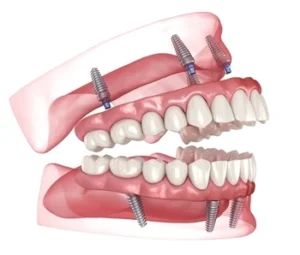 A full arch implant is a type of tooth replacement that uses dental implants to support a complete row of prosthetic teeth. Instead of replacing each tooth individually, arch dental implants are placed at key points in the dental arch to support a full set of replacement teeth.
This approach is often used when all teeth in one dental arch are missing or require replacement. It can apply to either the upper or lower jaw.
Full arch dental implants are sometimes referred to as all-on-x implants.
How Full Arch Dental Implants Work
Full arch implants rely on a small number of implants placed into the jawbone. These implants provide support for a fixed bridge of prosthetic teeth.
Implant Placement And Support
During implant placement, the dentist positions new implants into carefully planned implant sites. These areas are selected based on bone density, the location of blood vessels, and the overall structure of the jaw.
Once placed, the implants integrate with the surrounding bone, forming a stable base for the final prosthesis.
Supporting A Full Dental Arch
After healing, the implants support a permanent prosthesis designed to replace all the teeth in that arch. The aim is to restore both function and appearance while preserving the natural shape of the facial structure.
Who May Be Suitable For A Full Arch Implant
Not everyone is suited to this type of dental treatment, so careful assessment is important.
Initial Consultation And Examination
The process begins with an initial consultation. During this visit, a dentist performs a thorough examination of your mouth, including the gums, remaining teeth, and bone levels.
This helps determine whether you are among the eligible patients for arch implants.
Factors That Influence Suitability
Several factors are considered:
- The presence of gum disease
- The amount of bone loss in the jaw
- Overall oral health
- The condition of any remaining teeth
If bone density is not sufficient, bone grafting may be discussed as part of the treatment plan.
Full Arch Implants Compared To Traditional Dentures
People often compare full arch dental implants with traditional dentures or removable dentures when deciding on a solution.
Stability And Function
Traditional dentures are supported by the gums and may shift at times when eating or speaking. In contrast, arch implants offer a fixed solution supported by a stable foundation, which can improve stability.
Long-Term Use
Removable dentures may need adjustments over time as the shape of the jaw changes. With implant-supported prosthetic teeth, the aim is to provide a more stable and long-term option for tooth replacement.
The Full Arch Implant Procedure Explained
Understanding the steps involved can help you feel more prepared.
Planning And Preparation
After the initial consultation, a treatment plan is created. This plan outlines the number of implants, their position, and the design of the prosthetic teeth.
Digital scans are often used to map out the dental arch and identify suitable implant sites.
Surgical Procedures
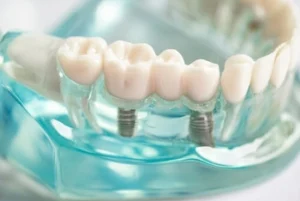 Full arch implant placement is a surgical procedure. As with any invasive procedure, there are risks to consider, so it should be carried out by an appropriately qualified dentist.
During the procedure:
- Implants are placed into the jawbone.
- Care is taken to avoid important structures such as blood vessels.
- Sedation options, including IV sedation, may be discussed.
In some cases, a temporary prosthesis is fitted on the same day, depending on the treatment plan.
Healing And Integration
After implant placement, the healing process begins.
Healing Phase
During the healing phase, the implants gradually integrate with the surrounding bone. This stage supports long-term stability of the implants.
The healing process can vary between individuals, but it is often measured in months rather than weeks.
Temporary And Final Prosthesis
A temporary prosthesis may be used while healing takes place. Once the implants are stable, a final prosthesis is created and fitted.
This permanent prosthesis is designed to match the shape of the mouth and restore bite alignment.
What Results Can You Expect?
Full arch implants aim to restore both function and appearance.
Restoring Function
Patients often notice improvements in:
- Chewing ability
- Speech clarity
- Overall comfort compared to removable dentures
The aim is to provide functional teeth that support everyday activities such as eating and speaking.
Appearance And Facial Structure
Replacing all the teeth can also support the facial structure. When teeth are missing, bone loss may change how the face appears over time.
By restoring the dental arch, implants may help maintain a more balanced appearance and contribute to a natural-looking smile.
Managing Oral Health After Treatment
Looking after implants is an important part of long-term success.
Daily Care
Good oral health habits help keep the gums healthy and support the implants. This includes regular cleaning and maintenance.
Ongoing Reviews
Regular check-ups with a dentist allow any concerns to be identified early. Monitoring the implants and surrounding tissue helps maintain stability.
What It Actually Feels Like During And After Treatment
It is natural to wonder what a full arch implant feels like, especially if you have not experienced similar dental treatment before. Most patients describe the experience as manageable, particularly with the use of modern techniques and sedation options.
During The Procedure
During implant placement, the area is numbed, so you should not feel intense discomfort. You may notice pressure or movement as the implants are positioned, but this is typically well controlled.
Sedation options, including IV sedation, may be discussed depending on your needs. These can help you feel more relaxed during the procedure.
The First Few Days After
After the procedure, it is common to experience mild to moderate discomfort. This can include swelling, tenderness, and a feeling of tightness around the gums.
These sensations are usually most noticeable within the first few days and gradually improve. Simple measures such as rest and following care instructions can help reduce discomfort.
Adjusting To The Temporary Prosthesis
If a temporary prosthesis is fitted, there may be a short adjustment period. You might notice small changes in speech or how your bite feels at first.
This usually improves as your mouth adapts. Many patients find that these changes settle within a short time.
Ongoing Comfort And Adaptation
As healing continues, the area generally becomes more comfortable. By the time the final prosthesis is fitted, most patients feel more natural using their replacement teeth.
The goal is not only to restore function but also to ensure that the overall experience feels stable and comfortable in daily life.
Risks And Considerations
It is important to understand that full arch implant treatment is a surgical procedure.
Understanding The Risks
As with any surgical procedure, there are risks to consider. These may include infection, delayed healing, or complications related to bone integration.
This is why careful planning and assessment are essential before proceeding.
Individual Factors
Each person’s situation is different. Factors such as bone density, general health, and lifestyle can influence outcomes.
A dentist can explain how these factors apply to your situation.
How Bite Alignment Is Fine-Tuned Over Time
Bite alignment plays an important role in how full arch implants function day to day. While the initial setup aims to position the prosthetic teeth correctly, the process of refining how the upper and lower teeth meet continues over time.
This gradual adjustment helps ensure that pressure is distributed evenly across the dental arch, which supports comfort and long-term stability.
Why Bite Alignment Is Not Final Straight Away
After dental implant placement, the mouth is still adapting. The gums are healing, and the implants are integrating with the bone. During this stage, small changes can occur in how the teeth come together.
Because of this, the first version of the prosthetic teeth is not always intended to be the final version. Instead, it allows the dentist to observe how your bite functions in everyday situations such as eating and speaking.
This approach helps avoid placing too much pressure on specific implant sites while healing is still ongoing.
The Role Of The Temporary Prosthesis
The temporary prosthesis plays a key role in refining bite alignment. It acts as a trial phase where small adjustments can be made based on how your mouth responds.
You may notice slight differences in how your teeth meet during this period. These changes are expected and help guide the final design.
Adjustments made at this stage can include:
- Refining how the upper or lower teeth contact each other
- Improving balance across multiple teeth
- Reducing uneven pressure on certain areas
These changes are usually subtle but can make a noticeable difference in comfort.
Transitioning To The Final Prosthesis
Once the healing phase is complete, the final prosthesis is designed with these observations in mind. By this stage, the dentist has a clearer understanding of how your bite functions and how it can be improved.
The aim is to achieve a stable bite alignment where the forces are spread evenly across the full arch. This helps support the implants and allows the prosthetic teeth to function more naturally.
Why Fine-Tuning Matters
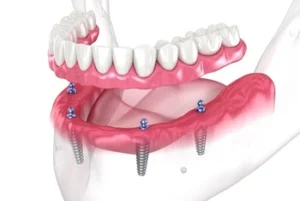 Even small imbalances in bite alignment can affect comfort over time. Uneven pressure may place extra load on certain implants or create areas of sensitivity when chewing.
By adjusting the bite gradually, the final result is more balanced and easier to use in daily life.
This careful approach helps ensure that the implants and prosthetic teeth work together as a stable, functional system over the long term.
Final Thoughts On Full Arch Implants
A full arch implant provides one approach to replacing all teeth in a single arch using implant-supported restorations. It is designed to restore function, support oral health, and improve overall comfort compared to some traditional options.
While it may not be suitable for everyone, many patients consider this type of treatment when dealing with multiple missing teeth or advanced tooth loss.
If you are concerned about missing teeth or would like support with restoring a full set of functional teeth with a full arch implant, you can book a consultation with us at Carindale Family Dentist or call (07) 3324 9172 to discuss your situation and appropriate care options.
Note: Any surgical or invasive procedure carries risks. Before proceeding, you should seek a second opinion from an appropriately qualified health practitioner.
Resources
“Mayo Clinic Staff (2024). ‘Dental Implant Surgery’. Mayo Clinic, 23 October. Rochester, MN: Mayo Foundation for Medical Education and Research. https://www.mayoclinic.org/tests-procedures/dental-implant-surgery/about/pac-20384622”
“Healthdirect Australia (2025). ‘Gum Disease’. Healthdirect Australia, February. Canberra, ACT: Australian Government Department of Health. https://www.healthdirect.gov.au/gum-disease”
“Colgate (2023). ‘Is IV Sedation Dentistry Right For You?’. Colgate, 9 January. New York, NY: Colgate-Palmolive Company. https://www.colgate.com/en-us/oral-health/anesthesia/is-iv-sedation-dentistry-right-for-you”
“Cleveland Clinic (2022). ‘Oral Hygiene’. Cleveland Clinic, 21 April. Cleveland, OH: Cleveland Clinic. https://my.clevelandclinic.org/health/treatments/16914-oral-hygiene”