
 Millennium Centre:


Recovery after a dental bone graft takes time, and for most people, the wait is one of the harder parts. Understanding what supports the healing process and what can delay it helps you take an active role in your own recovery.
What you eat, how you care for the surgical site, and certain lifestyle habits all affect how bone tissue forms and how well the graft integrates with your natural jaw bone. This post covers the key factors that influence bone graft healing and the practical steps that may help support recovery, including what to do ahead of dental implant surgery if a bone graft is part of your treatment plan.
Quick Overview
- A dental bone graft is a procedure used to rebuild bone in the jaw where bone loss has occurred, often to prepare the site for a dental implant.
- It may apply to anyone who has experienced bone loss due to tooth loss, gum disease, or long-term missing teeth.
- Recovery typically involves a period of soft foods, careful oral hygiene, and avoiding habits that restrict blood flow to the graft site.
- How quickly the graft heals depends on individual factors including nutrition, general health, smoking status, and how closely post-operative instructions are followed.
- Signs of slow healing or graft failure can be subtle in the early stages; knowing what to watch for may influence when you seek care.
Keep reading to understand the healing stages, what supports new bone growth, and which habits can significantly delay recovery.
What Is a Dental Bone Graft and How Does Healing Work?
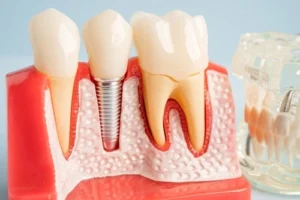 A dental bone graft is a procedure used to restore bone structure in areas of the jaw where bone has been lost. Bone loss can occur after tooth extraction, as a result of gum disease, or following a period of missing teeth where the surrounding bone has gradually resorbed. The graft material, which may come from your own bone, donor bone, animal-derived bone, or synthetic materials, is placed at the graft site to act as a scaffold for new bone growth.
Bone grafting as part of dental implant treatment is a recognised approach for patients who do not have sufficient bone density to support an implant directly. The graft is not an immediate replacement for natural bone. Instead, it provides a structure that allows your own bone cells to grow into and gradually replace the graft material through a process called bone integration.
Healing occurs in stages. The initial phase involves soft tissue healing and clot formation at the surgical site. Over the following weeks, blood vessels begin to grow into the graft area, bringing the oxygen and nutrients needed for early bone formation. From around one to four months, new bone cells replace the graft scaffold in a process called osteogenesis. Full bone maturation, where the new bone reaches its final strength and density, can take four to six months or longer depending on the size and location of the graft and individual factors.
Individual healing timelines vary. The stages outlined above represent a general pattern, not a fixed schedule.
What Can You Do to Support Bone Graft Healing in the First Week?
The first week after bone graft surgery is the most sensitive period. The blood clot that forms at the surgical site plays a central role in early healing. Disrupting it can delay the process or increase the risk of complications.
In the first 24 to 48 hours, bite gently on gauze if bleeding occurs to help control blood flow. Apply an ice pack wrapped in a cloth to the outside of your face in 20-minute intervals to reduce swelling. Keep your head elevated, including when sleeping, to minimise pressure at the graft site.
Avoid rinsing your mouth forcefully, using a straw, or spitting in the first 24 hours. All three actions can dislodge the clot.
Take pain medication as directed by your dentist. If antibiotics have been prescribed, complete the full course to reduce the risk of bacterial infection at the graft site. Do not skip doses.
Avoid any strenuous activity for at least the first few days. Increased blood pressure and blood flow from exercise can worsen swelling and put unnecessary pressure on the healing tissue.
Careful post-surgical care after implant procedures is one of the most direct ways to protect healing in the early stages.
How Does Nutrition Affect Bone Graft Healing?
What you eat during recovery directly affects how well your body can form new bone. The bone healing process requires specific nutrients to build new tissue, support blood vessel growth, and maintain the immune response that protects the graft site from infection.
The key nutrients for bone formation are calcium, vitamin D, and protein.
Calcium is the primary mineral in bone tissue. When dietary calcium is insufficient, the body draws from existing bone stores, which can reduce the bone density available to support healing. Adequate daily calcium intake supports bone repair from dairy products, leafy greens, tofu, and fortified foods throughout recovery.
Vitamin D assists the body in absorbing calcium. Without sufficient vitamin D, calcium intake alone may not translate into effective bone formation. Vitamin D is obtained through sun exposure and from foods such as oily fish, eggs, and fortified products. If you are concerned about your vitamin D levels, discuss this with your dentist before your procedure.
Protein provides the amino acids needed for tissue repair and collagen synthesis. Including lean meats, fish, eggs, legumes, and dairy in your diet throughout the recovery period supports tissue healing at the graft site.
Vitamin C, found in citrus fruits, berries, and capsicum, supports collagen production and immune function. Magnesium, found in nuts, seeds, and whole grains, plays a role in bone structure.
Stick to a soft food diet for at least the first week, and continue to eat carefully until your dentist advises otherwise. Avoid hard, crunchy, chewy, and extremely hot foods that could disturb the graft site.
Nutrient-rich choices that are also soft include scrambled eggs, mashed sweet potato, soft fish, yoghurt, smooth soups, and avocado.
Why Does Smoking Significantly Delay Bone Graft Healing?
Smoking is one of the most significant modifiable factors that can slow bone graft healing or contribute to graft failure. The primary mechanism is reduced blood flow. Nicotine restricts blood flow to the graft site, limiting the delivery of oxygen, nutrients, and bone-forming cells to the area where new bone needs to grow. Blood vessel growth into the graft, which is critical for the early stages of bone formation, is impaired when circulation is compromised.
Nicotine and cigarette smoke impair bone-forming cell activity in the cells involved in tissue regeneration. This effect applies throughout the healing period, not just immediately after surgery.
Avoiding smoking for as long as possible before and after bone graft surgery gives the graft the best conditions to integrate with your natural bone. If you smoke and are planning a bone grafting procedure, discussing this with your dentist ahead of time allows for an informed conversation about risk and preparation.
How Does Oral Hygiene Affect the Bone Graft Healing Process?
Maintaining good oral hygiene around the graft site reduces the risk of bacterial infection, which is one of the most common causes of graft failure. At the same time, the method and timing of cleaning need to change in the days immediately following surgery to avoid disturbing the graft.
For the first 24 hours, do not brush the surgical area. From day two, brush your other teeth as normal and gently clean around the graft site using a soft-bristled toothbrush. Rinse with warm salt water after meals. Avoid alcohol-based mouthwashes during the early healing period, as these can irritate the gum tissue around the surgical site.
As healing progresses, your dentist will advise when it is appropriate to resume more thorough cleaning around the graft area. Daily cleaning around implants and gums is a core part of maintaining oral health, and this applies throughout and beyond the recovery period.
Attend all follow-up appointments as scheduled. These visits allow your dentist to monitor the healing progress through examination and imaging, and to identify any early signs of complications before they develop further.
What Are the Signs That a Bone Graft Is Not Healing Properly?
Some discomfort, swelling, and bruising in the first few days after surgery are expected. These symptoms should gradually improve, not worsen.
Contact your dentist promptly if you experience:
- Severe pain that is increasing rather than settling after the first few days
- Swelling that worsens beyond the first 72 hours
- Persistent or heavy bleeding from the surgical site
- Fever or general signs of infection
- An unusual taste, smell, or discharge near the graft site
- Visible exposure of graft material through the gum tissue
These signs may indicate an infection, dry socket, or graft failure. Early assessment gives your dentist the best opportunity to intervene and address the problem. Delaying treatment in these circumstances can reduce the options available.
A Considered Approach to Bone Graft Recovery
 Bone graft healing is a gradual process that responds to how you care for yourself during recovery. Nutrition, oral hygiene, avoiding smoking, managing activity levels, and attending follow-up appointments each play a role in how well the graft integrates with your own bone.
Individual outcomes vary. The information in this post provides general guidance, and your dentist’s specific post-operative instructions should always take precedence.
If you have questions about bone graft procedures or would like to discuss your options, Carindale Family Dentist welcomes you to get in touch. To arrange an appointment, contact the clinic today.
Phone: (07) 3324 9172
Note: Any surgical or invasive procedure carries risks. Before proceeding, you should seek a second opinion from an appropriately qualified health practitioner.
Frequently Asked Questions
How long does a dental bone graft take to heal?
Soft tissue around the graft site typically heals within one to two weeks. The process of new bone forming within the graft scaffold, called osteogenesis, begins around weeks two to four and continues for several months. Full bone maturation, where the new bone reaches its final strength, can take four to six months or longer depending on the size of the graft, the graft location, and individual factors such as general health and nutrition. Your dentist will monitor progress at follow-up appointments.
How soon after a bone graft can I get a dental implant?
Implant placement is typically considered once the bone graft has fully matured, which generally takes four to six months. Your dentist will assess healing progress through examination and imaging before confirming the timing. Individual readiness varies depending on the size of the graft, the location, and how well the bone has integrated.
References
Australian Dental Association. (n.d.). ‘Dental Implants’. Teeth.org.au. Sydney, NSW: Australian Dental Association. https://www.teeth.org.au/dental-implants
Healthdirect Australia. (2025). ‘Dental implant procedure’. Healthdirect Australia, 12 June. Canberra, ACT: Healthdirect Australia. https://www.healthdirect.gov.au/dental-implant
Better Health Channel. (n.d.). ‘Calcium’. Melbourne, VIC: Victorian Government. https://www.betterhealth.vic.gov.au/health/healthyliving/calcium
Schikowski, J., Liedgens, P., Jablonski-Momeni, A., & Korbmacher-Steiner, H. (2024). ‘Cigarette smoke and nicotine effect on human mesenchymal stromal cell wound healing and osteogenic differentiation capacity’. NCBI/PubMed Central. https://www.ncbi.nlm.nih.gov/pmc/articles/PMC10943629/
Australian Dental Association. (2025). ‘Policy Statement 2.2.3 – Oral Hygiene’. Australian Dental Association, October. Sydney, NSW: Australian Dental Association. https://ada.org.au/policy-statement-2-2-3-oral-hygiene