
 Millennium Centre:


The days and weeks after dental implant surgery play a significant role in how well the implant heals. What you eat, how you clean the area, and how closely you follow your dentist’s instructions can all affect how the implant site recovers.
Knowing what to expect and what to avoid during the recovery process removes much of the uncertainty that comes after any surgical procedure. This guide covers the key aftercare steps for anyone who has recently had dental implant surgery or is preparing for the procedure.
Quick Overview
- Dental implant aftercare refers to the steps taken in the days, weeks, and months following implant surgery to support healing.
- It may apply to anyone who has recently undergone implant surgery, including those who have had bone grafting as part of the procedure.
- Aftercare typically covers pain management, diet, oral hygiene, and activity in the short term, and maintenance habits in the long term.
- How well the implant heals depends on individual factors including general health, oral hygiene habits, and whether instructions are followed consistently.
Keep reading to understand what to do in the first 24 hours, how to manage common side effects, and what long-term habits support a healthy implant.
How Do You Manage Pain and Swelling After Dental Implant Surgery?
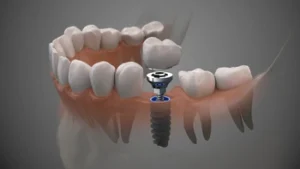 Mild to moderate discomfort in the days following implant surgery is common. Your dentist will advise on appropriate pain medication, which may include over-the-counter anti-pain medications or a prescribed medication depending on your individual situation.
Take pain relief as directed and do not wait until discomfort becomes severe before taking it. If you have been prescribed antibiotics, complete the full course to help prevent infection at the surgical site.
According to health guidance on dental implant recovery, some swelling and discomfort after surgery are normal and typically settle within a few days. If you experience severe pain that is worsening rather than improving, significant swelling beyond the jaw area, or signs of infection such as fever or discharge, contact your dentist promptly.
What Can You Eat After Dental Implant Surgery?
Diet in the days following implant surgery has a direct impact on the healing process. Stick to cool or lukewarm soft foods for at least the first week, and avoid anything hard, crunchy, chewy, or very hot.
Suitable soft foods include:
- Mashed potatoes
- Scrambled eggs
- Smooth soups (lukewarm, not hot)
- Yoghurt
- Soft fish
- Banana or avocado
Avoid hard foods, acidic foods, and extremely hot foods during the recovery period, as these can irritate the implant site or interfere with healing. Continue a soft food diet until your dentist advises it is safe to return to your normal diet. Individual recovery timelines vary.
How Do You Keep the Implant Area Clean?
Maintaining good oral hygiene around the implant site is important, but the approach needs to change in the days immediately following surgery.
For the first 24 hours, do not brush the surgical area. From day two, gently brush around the implant site using a soft-bristled toothbrush. Brush your other teeth as normal. Rinse with warm salt water (a teaspoon of salt dissolved in a cup of warm water) after meals to help keep the area clean and reduce bacterial activity.
Good oral hygiene after dental procedures supports the long-term health of the implant and the surrounding tissue. Interdental brushes can be used around the implant once the site has healed sufficiently. Your dentist will advise when it is appropriate to introduce these.
Avoid vigorous rinsing and do not use alcohol-based mouthwashes in the early healing period, as these can irritate sensitive gums and the surgical site.
What Does Long-Term Dental Implant Care Involve?
Once the implant has healed, the maintenance habits that protect natural teeth apply equally to dental implants. Regular dental check-ups and consistent oral hygiene are among the most important factors in the long-term health of your implant.
Long-term implant care includes:
- Brushing twice daily with a soft-bristled toothbrush
- Flossing or using interdental brushes daily to remove food particles from around the implant
- Attending regular dental check-ups so your dentist can monitor the implant site and surrounding bone
- Discussing night guards with your dentist if you grind your teeth, as grinding places excessive pressure on the implant and its components
Individual outcomes vary. How long an implant remains healthy depends on oral hygiene habits, overall health, and whether regular dental appointments are maintained.
A Considered Approach to Implant Recovery
 Dental implant aftercare is not complicated, but it does require consistency. The habits established in the first week after surgery lay the groundwork for long-term implant health.
If you have questions about recovery after your procedure, or would like to discuss what aftercare involves before going ahead, Carindale Family Dentist welcomes you to get in touch. To arrange an appointment, contact the clinic today.
Phone: (07) 3324 9172
Note: Any surgical or invasive procedure carries risks. Before proceeding, you should seek a second opinion from an appropriately qualified health practitioner.
Frequently Asked Questions
How long does it take for a dental implant to heal?
The soft tissue around the implant typically begins to heal within one to two weeks. Full osseointegration (where the titanium post fuses with the jawbone) can take anywhere from two to six months, depending on individual factors such as bone density and general health. Your dentist will monitor healing progress at follow-up appointments.
What are the signs that a dental implant is not healing properly?
Worsening pain rather than improving pain, increasing swelling beyond the first few days, persistent or heavy bleeding, fever, or an unusual taste or smell near the implant site may indicate a problem. Contact your dentist promptly if you notice any of these signs. Early assessment means more options are typically available.
References
Healthdirect Australia. (2025). ‘Dental implant procedure’. Healthdirect Australia, 12 June. Canberra, ACT: Healthdirect Australia. https://www.healthdirect.gov.au/dental-implant
Australian Dental Association. (n.d.). ‘Dental Implants’. Teeth.org.au. Sydney, NSW: Australian Dental Association. https://www.teeth.org.au/dental-implants
Better Health Channel. (n.d.). ‘Dental treatment’. Melbourne, VIC: Victorian Government. https://www.betterhealth.vic.gov.au/health/conditionsandtreatments/dental-treatment