
 Millennium Centre:


A healthy-looking smile can make a strong and positive impression. As the years pass, teeth often become darker or stained due to daily routines, ageing and lifestyle factors. Professional teeth whitening is a widely chosen treatment that helps lighten tooth colour effectively and improve the appearance of stains. This guide outlines how professional teeth whitening works, what the treatment involves, and how it differs from home teeth whitening options, using clear and easy-to-understand explanations.
Why Teeth Lose Their Natural Brightness
Teeth naturally change colour as we age. The outer enamel thins over time, allowing the darker dentine underneath to show through. In addition to ageing, common lifestyle factors play a significant role in tooth discolouration.
Common Causes of Tooth Discolouration
- Drinking red wine, tea or drinking coffee regularly
- Smoking or tobacco use
- Poor oral hygiene habits
- Certain medications or medical treatments
- Previous dental work that does not respond to whitening
- Genetics and natural enamel thickness
These factors contribute to tooth stain buildup and gradual tooth discolouration. While good oral hygiene helps reduce surface stains, it cannot fully reverse deeper colour changes. This is where a professional teeth whitening treatment can make a noticeable difference.
 What Is Professional Teeth Whitening?
 What Is Professional Teeth Whitening?
Professional teeth whitening is a cosmetic treatment carried out under the care and guidance of a qualified dentist. It uses a controlled whitening agent to lighten the shade of natural teeth. Unlike many over-the-counter teeth whitening products, professional teeth whitening services are customised to suit your teeth, gums and overall dental health.
The goal is not an artificial white look, but a whiter smile that appears natural, healthy and balanced with your facial features.
How Professional Teeth Whitening Works: Understanding the Whitening Process
During whitening, a whitening gel is applied to the tooth surface, where it passes into the enamel and helps lift discolouration. This whitening solution targets discolouration without damaging the tooth structure when used correctly.
Professional teeth whitening is tailored according to the whitening method chosen, your existing tooth shade and the results you would like to see. Most patients see their teeth become several shades whiter over the course of treatment.
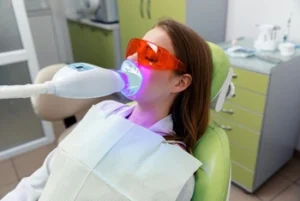
In Chair Teeth Whitening for Faster Results: What Happens During a Chair Whitening Session
In-chair teeth whitening, also known as chair whitening, is performed during a teeth whitening appointment at the dental clinic. After a dental check-up to ensure teeth whitening is safe and suitable, the dentist applies a protective barrier to the gums before applying the teeth whitening gel.
A specialised light or activation method may be used to enhance the whitening agent. The entire whitening procedure usually takes about 1 to 2 hours.
Benefits of In-Chair Teeth Whitening
- Instant results are often visible after one visit
- Professional monitoring throughout the treatment
- Reduced risk of gum irritation
- Controlled whitening strength for safety
Many patients seeking teeth whitening options choose in-chair teeth whitening for its efficiency and convenience, particularly before events or important occasions.
Take Home Teeth Whitening for Gradual Whitening: How Take-Home Whitening Works
Take-home teeth whitening is a professional option that allows patients to whiten teeth from the comfort of their own home. Custom teeth whitening trays are created to fit your teeth precisely. These whitening trays are filled with a dentist-prescribed teeth whitening gel and worn for a set period each day.
This approach offers gradual whitening results over one to two weeks, depending on the whitening system used.
Advantages of Take-Home Whitening
- Flexibility to whiten your teeth at your own pace
- Custom teeth trays for comfort and accuracy
- Reduced the likelihood of sensitive teeth
- Suitable for ongoing shade maintenance
Take-home kits are different from generic home teeth whitening products because they are tailored to your mouth and monitored by a dental professional.
Professional Teeth Whitening Versus Home Whitening: Understanding the Differences
Home teeth whitening products and home whitening kits are widely available, but they vary greatly in quality, safety and effectiveness. While some may provide minor surface stain removal, professional teeth whitening services offer a more controlled and reliable approach to whitening teeth.
When comparing professional teeth whitening with home whitening, the main differences include:
- Strength of the whitening agent
Professional teeth whitening treatment uses carefully regulated whitening gel that can achieve more noticeable and even whitening results compared to most home teeth whitening products.
- Safety and supervision
Whitening performed or supervised by a dentist reduces the risk of gum irritation, uneven whitening and damage to tooth enamel, making the treatment safer overall.
- Custom fit whitening trays
Professional take-home teeth whitening uses custom teeth whitening trays designed to fit your teeth precisely, improving comfort and reducing gel contact with the gums. Generic home whitening trays often lack this level of accuracy.
- Consistency of results
Professional whitening treatments are planned to deliver predictable whitening results, while home whitening outcomes can vary depending on product quality and user technique.
- Suitability for sensitive teeth
Patients with sensitive teeth benefit from professional guidance, as treatment can be adjusted to reduce sensitivity and protect dental health.
- Longer-lasting whitening
Professional whitening systems typically provide more durable results, especially when supported by good oral hygiene and ongoing dental check-ups.
For those seeking a whiter smile with confidence in both safety and effectiveness, professional teeth whitening remains the preferred option.
Is Teeth Whitening Safe for Everyone: Assessing Suitability Before Treatment
Teeth whitening’s safe outcomes depend on proper assessment. A dental check-up is essential before starting any whitening treatment. During this check-up, the dentist examines enamel health, existing fillings, crowns and gum condition.
Teeth whitening does not change the colour of restorations such as crowns or veneers. This is why planning is important to achieve a balanced smile.
Who Should Avoid Whitening Temporarily
- Individuals with untreated decay or gum disease
- Those experiencing significant teeth sensitivity
- Pregnant or breastfeeding patients
- Patients with extensive dental work in visible areas
Addressing dental health concerns first helps ensure whitening results are both safe and effective.
Managing Teeth Sensitivity During Whitening
 Teeth sensitivity is one of the most common concerns associated with whitening teeth, but it is usually temporary and manageable. Understanding why sensitivity occurs and how to reduce it can make the whitening experience more comfortable.
Sensitivity during a teeth whitening treatment happens when the whitening agent passes through the enamel and briefly reaches the underlying tooth structure. This can cause a short-lived response to hot, cold or sweet foods, particularly in people with sensitive teeth or exposed areas of enamel.
Practical Ways to Reduce Sensitivity
- Switch to a toothpaste for sensitive teeth ahead of treatment and maintain its use during whitening
- Follow your dentist’s instructions closely, including recommended wear times for whitening trays
- Take short breaks between whitening sessions if sensitivity increases
- Avoid very hot, cold or acidic foods and drinks while whitening
- Maintaining good oral hygiene helps protect the gums and reduce the risk of irritation
What to Expect After Whitening
For most people, any sensitivity experienced during a professional teeth whitening treatment is mild and fades within a few days after treatment ends. Professional teeth whitening services allow adjustments to be made if discomfort occurs, helping protect dental health while still achieving whitening results.
If sensitivity persists or worsens, a dental check-up is recommended to ensure there are no underlying issues such as enamel wear or gum recession. With proper guidance and care, teeth whitening can remain a comfortable and effective treatment for achieving a brighter smile.
How Long Do Whitening Results Last
Whitening results vary depending on oral hygiene and lifestyle factors. On average, professional teeth whitening results last between six months and two years.
Factors that influence longevity include:
- Drinking red wine or drinking coffee frequently
- Smoking habits
- Consistency with good oral hygiene
- Use of take-home teeth whitening trays for maintenance
Regular dental check-ups help monitor tooth colour and maintain a radiant smile.
Everyday Habits That Affect Tooth Colour
The colour of your teeth is influenced not only by genetics and ageing, but also by daily habits. Many common lifestyle choices can gradually dull a brighter smile, even after a teeth whitening treatment. Being aware of these habits can help you protect your whitening results and support long-term dental health.
Food and Drink Choices That Cause Staining
Certain foods and drinks contain pigments and acids that contribute to tooth staining and tooth discolouration over time. Common contributors include:
- Drinking red wine regularly
- Drinking coffee or strong tea
- Dark coloured soft drinks and juices
- Sauces with deep colouring
These substances can settle into the enamel, especially when consumed frequently. Rinsing your mouth with water after meals can help reduce staining.
Smoking and Tobacco Use
Tobacco in all forms can significantly affect tooth colour. Nicotine and tar attach to the enamel surface, creating deep stains that are not easily removed through home whitening methods. Limiting tobacco exposure helps maintain a brighter smile and better oral hygiene.
Oral Hygiene Habits That Matter
Inconsistent brushing and flossing allow plaque and surface stains to build up more easily. Good oral hygiene plays an essential role in preserving whitening results. Brushing twice daily, flossing regularly and attending routine dental check-ups help keep teeth cleaner and brighter for longer.
Lifestyle Factors That Influence Whitening Results
Lifestyle factors such as frequent snacking, poor hydration and neglecting dental visits can also impact tooth colour. Acidic foods can soften enamel, making teeth more prone to staining, while dehydration reduces saliva flow that naturally helps cleanse teeth.
By making mindful lifestyle choices and maintaining good oral hygiene, you can protect your whitening results and enjoy a radiant smile for longer.
Teeth Whitening Cost and What Influences It
Teeth whitening cost can vary depending on the whitening treatment selected. Factors that influence cost include:
- Type of whitening system used
- In-chair teeth whitening versus take-home kits
- Number of sessions required
- Level of tooth discolouration
While professional teeth whitening may cost more upfront than over-the-counter whitening products, it often provides more reliable and longer-lasting results.
Setting Realistic Expectations: What Whitening Can and Cannot Do
Professional teeth whitening can significantly whiten your teeth, but results depend on your natural tooth colour and stain type. Yellow-toned stains respond better than grey or blue discolouration.
The aim is a whiter teeth appearance that complements your smile, not an artificial look. Most patients achieve shades that are whiter and look natural and balanced.
Teeth Whitening and Existing Dental Work: How Restorations Are Affected
Whitening treatments only work on natural teeth. Dental work such as crowns, fillings and bridges will not change colour. This is why discussing existing dental work with your dentist before whitening is essential.
In some cases, replacement of older restorations may be considered after whitening to match the new tooth shade.
The Importance of Good Oral Hygiene Before Whitening
Good oral hygiene plays a vital role in whitening success. Brushing twice daily, flossing and attending a dental check-up ensure the whitening agent can work evenly across the teeth.
Plaque or tartar buildup can interfere with whitening results and increase the risk of sensitivity.
Teeth Whitening Brisbane and Professional Care
Patients seeking teeth whitening services benefit from professional assessment and tailored care. Whether choosing in-chair whitening or take-home teeth whitening, working with a qualified dentist ensures your treatment aligns with your dental health needs and smile goals.
Final Thoughts on Professional Teeth Whitening
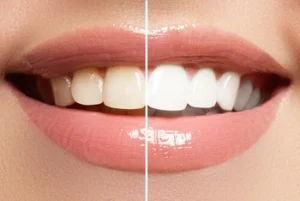 Professional teeth whitening offers a safe, effective and predictable way to brighten your smile. With options ranging from in-chair teeth whitening for instant results to take-home whitening for gradual improvement, there is a whitening treatment to suit different preferences and lifestyles.
By addressing dental health first, managing sensitivity and maintaining good oral hygiene, many patients enjoy long-lasting whitening results and a confident smile.
If you are considering professional teeth whitening, a personalised consultation at Carindale Family Dentist is the ideal first step. Book your appointment today at (07) 3324 9172 to discuss effective whitening options tailored to your smile and dental health.
References
NHS UK. (n.d.). Teeth whitening. NHS. Retrieved from https://www.nhs.uk/tests-and-treatments/teeth-whitening/
Cleveland Clinic. (n.d.). Oral hygiene: Best practices & instructions for good routine. Retrieved from https://my.clevelandclinic.org/health/treatments/16914-oral-hygiene
Healthline. (n.d.). Foods that stain teeth: Tooth-staining foods and drinks. Retrieved from https://www.healthline.com/health/foods-that-stain-teeth
Health.com. (n.d.). The best toothpastes for sensitive teeth, according to dentists. Retrieved from https://www.health.com/condition/oral-health/best-toothpaste-for-sensitive-teeth
Colgate-Palmolive Company. (n.d.). Gum irritation: Four self-induced causes. Retrieved from https://www.colgate.com/en-us/oral-health/gum-disease/gum-irritation-four-self-induced-causes